Anker Vertical Ergonomic Optical Mouse
The Anker Vertical Ergonomic Mouse delivers solid wrist-comfort benefits at an accessible price point, making it a smart entry into vertical mice for anyone dealing with wrist strain or early RSI symptoms.
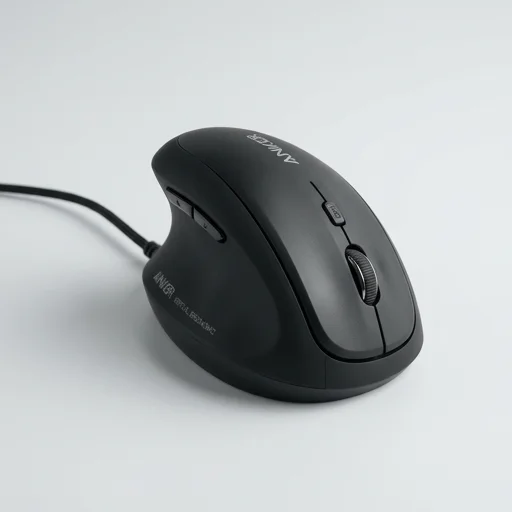
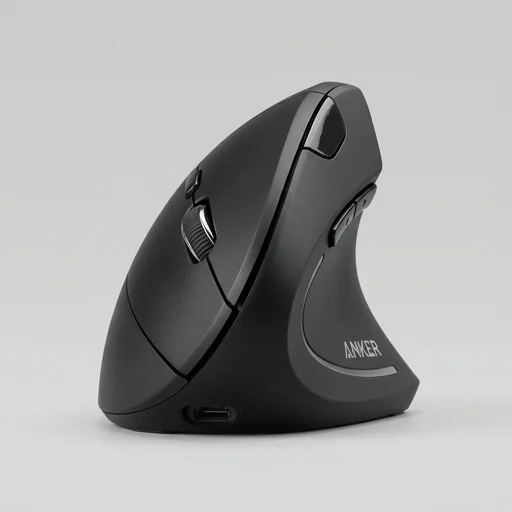
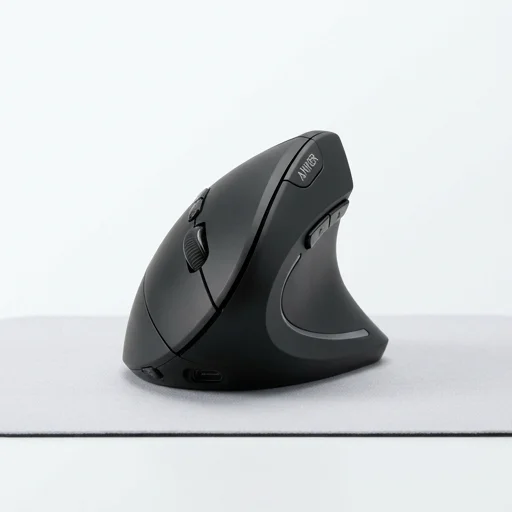
The Anker Vertical Ergonomic Mouse delivers solid wrist-comfort benefits at an accessible price point, making it a smart entry into vertical mice for anyone dealing with wrist strain or early RSI symptoms. While it lacks some premium refinements like a rechargeable battery or advanced software, its core ergonomic design and wireless reliability make it a practical daily driver for office and home use.
Specifications
Key features
- 76-degree vertical grip angle to reduce wrist pronation
- 2.4GHz wireless connection with USB nano receiver
- Adjustable DPI settings (800/1200/1600)
- Ergonomic thumb rest and contoured body
- 5 programmable buttons
- Auto-sleep mode for extended battery life
👍 What we liked
- Noticeably reduces wrist and forearm strain during long sessions
- Comfortable handshake grip suits medium to large hands
- Reliable wireless connection with minimal lag
- Simple plug-and-play setup, no software required for basic use
- Good battery life on a single AA battery
👎 Watch-outs
- Bulkier shape may not suit smaller hands
- DPI switch button placement takes getting used to
- No rechargeable battery, relies on AA cell
- Limited customization without additional software
- Right-hand only design, no left-handed version
Full review
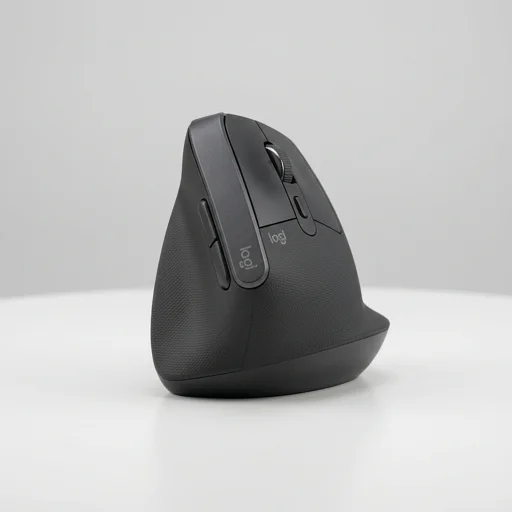
The Anker vertical ergonomic mouse is designed around a simple but important idea: your hand and wrist should rest in a natural handshake position rather than being twisted flat against a desk. By tilting the device to roughly 57 degrees, it reduces the forearm pronation that traditional mice force upon users, easing strain on the wrist, elbow, and shoulder during long work sessions. This posture-first design makes it especially appealing to office workers, programmers, designers, and anyone who spends hours navigating a screen, offering a meaningful alternative for those experiencing early signs of repetitive strain or general wrist fatigue. Beyond its angled shape, the mouse features a contoured body that cradles the palm and fingers, encouraging a relaxed grip instead of a tense claw-like hold. The thumb rest is shaped to prevent unnecessary muscle engagement, while the button layout, typically including forward and back navigation keys, is positioned within easy reach so users don't need to stretch or reposition their hand to access extra functions. Adjustable DPI settings allow the cursor sensitivity to be tuned to the user's preference, letting people balance precision work like photo editing with faster, broader movements for everyday browsing, all without adding extra physical effort. Ergonomic comfort is paired with practical usability: the mouse connects via a reliable wireless receiver or Bluetooth, minimizing cable clutter and allowing flexible desk arrangements, and its battery life is built for extended use so it doesn't demand frequent charging interruptions. The rubberized grip and matte finish provide secure handling even during long hours of use, reducing slippage and hand fatigue. Altogether, the Anker vertical ergonomic mouse is crafted not just as an input device, but as a small daily investment in wrist health, offering a comfortable, sustainable way to interact with a computer for people who prioritize long-term posture and physical wellbeing over generic mouse designs.
Customer reviews
I switched from a regular mouse after months of wrist discomfort. The vertical grip took two days to adjust to, but now I can't imagine going back. Highly recommend for anyone doing long computer sessions.
Works well and feels comfortable, though the DPI button is a bit awkwardly placed. Battery life has been solid so far, over a month on the first AA battery.
Bought this for work after a physical therapist recommended a vertical mouse. It's noticeably easier on my wrist. Only wish it had a rechargeable battery instead of AA.
The ergonomics are real, but the mouse itself is quite large. My hands are on the smaller side so it took longer to adjust than expected. Still better than a standard mouse for my wrist pain.